Why European Startups Struggle to Scale

European leaders 2025

This in-depth analysis explores why European startups continue to face challenges in scaling compared with the United States and China. Drawing on 2025 data, the article examines venture capital trends, unicorn growth, regional disparities, and structural barriers including regulatory complexity, market fragmentation, and talent migration.

The Memory Shortage and the Cost of Technology in 2026

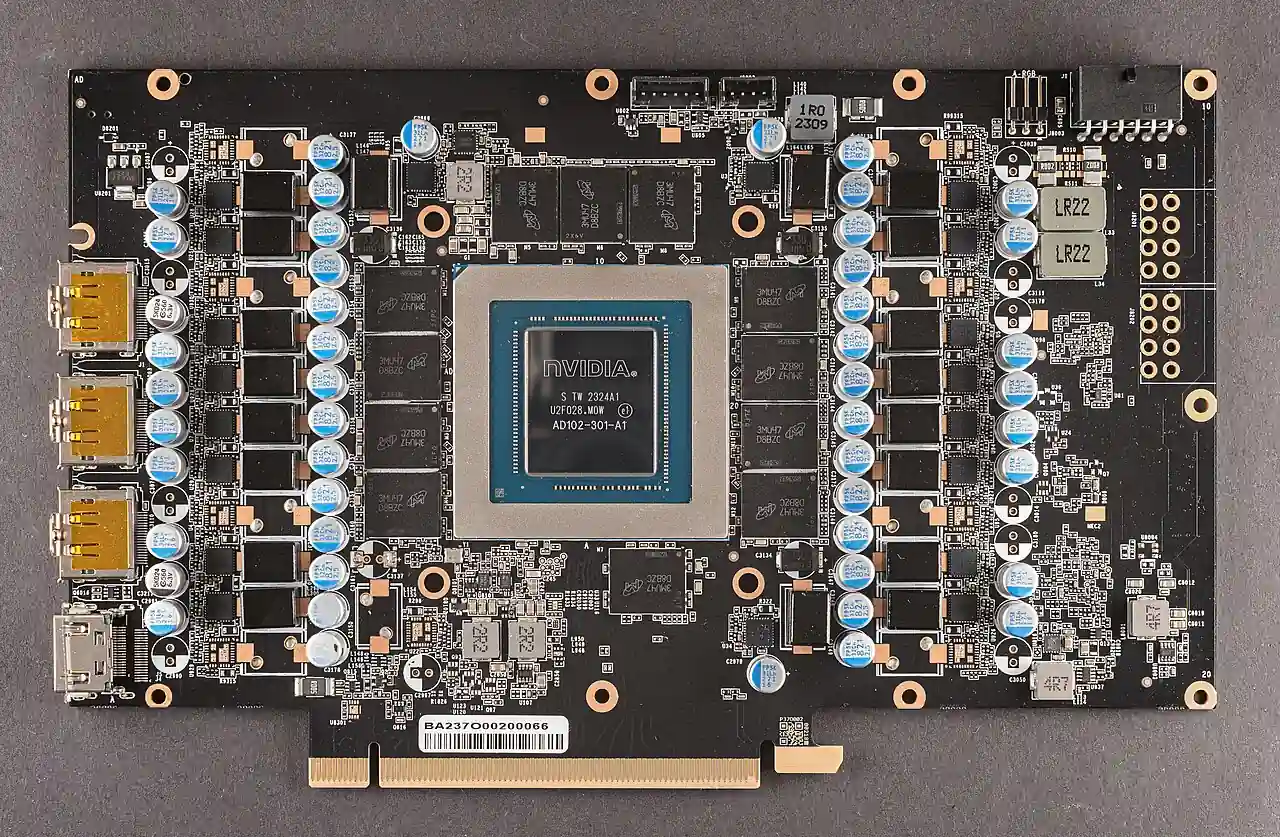
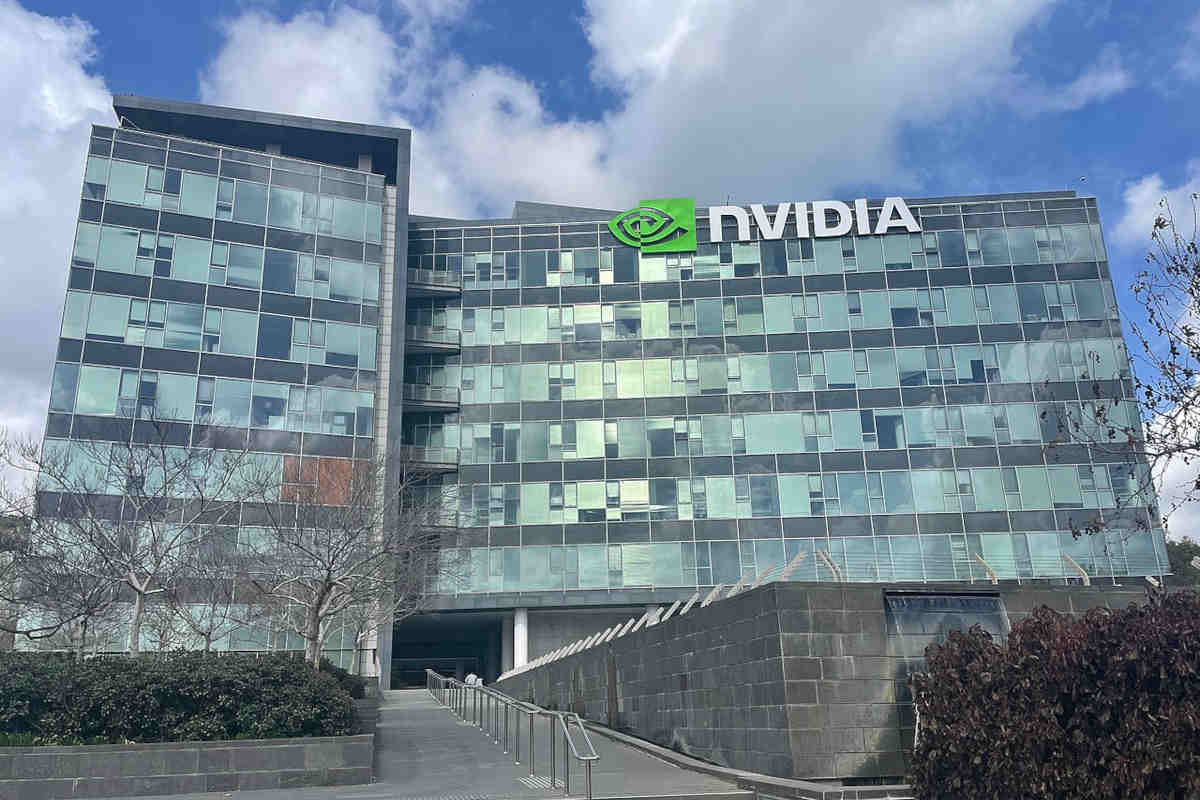
nvidia pcb

The global memory shortage in 2026 is significantly affecting the technology industry. Rising DRAM and high-bandwidth memory prices are driving higher costs for smartphones, personal computers, servers, and network equipment. Shipment forecasts are slowing, average selling prices are climbing, and manufacturers are adjusting specifications to manage supply constraints.

Inside the High Court Showdown Between the Metropolitan Police and the Freemasons

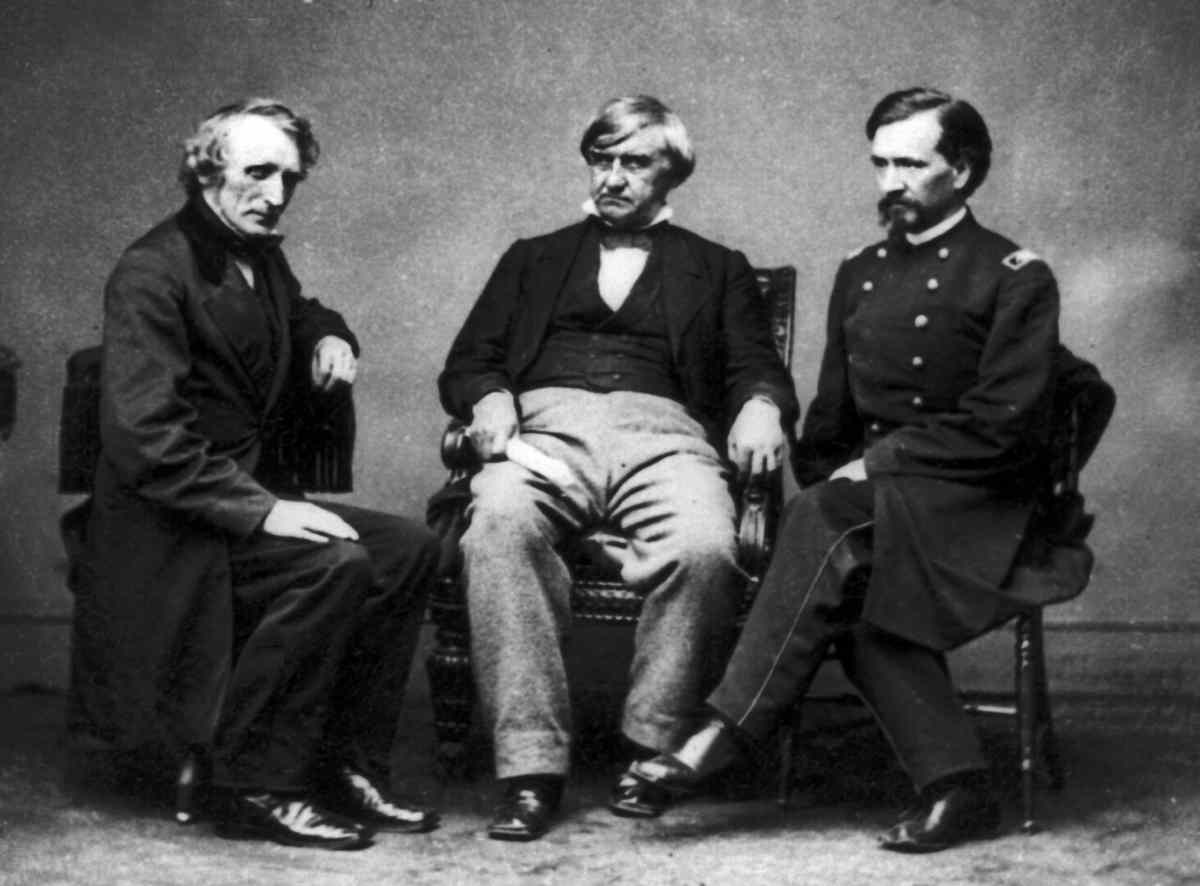
Scotland Yard

A historic legal battle has erupted between the Metropolitan Police and the United Grand Lodge of England over a new mandatory membership disclosure rule. This investigative feature examines the clash between institutional transparency and the right to privacy, exploring the influence of the 1987 Daniel Morgan murder inquiry and the legal precedents of the European Court of Human Rights.

Beyond Chemotherapy: How a Single Dose of Frog Gut Microbes Eliminates Solid Tumors

Japanese tree frog

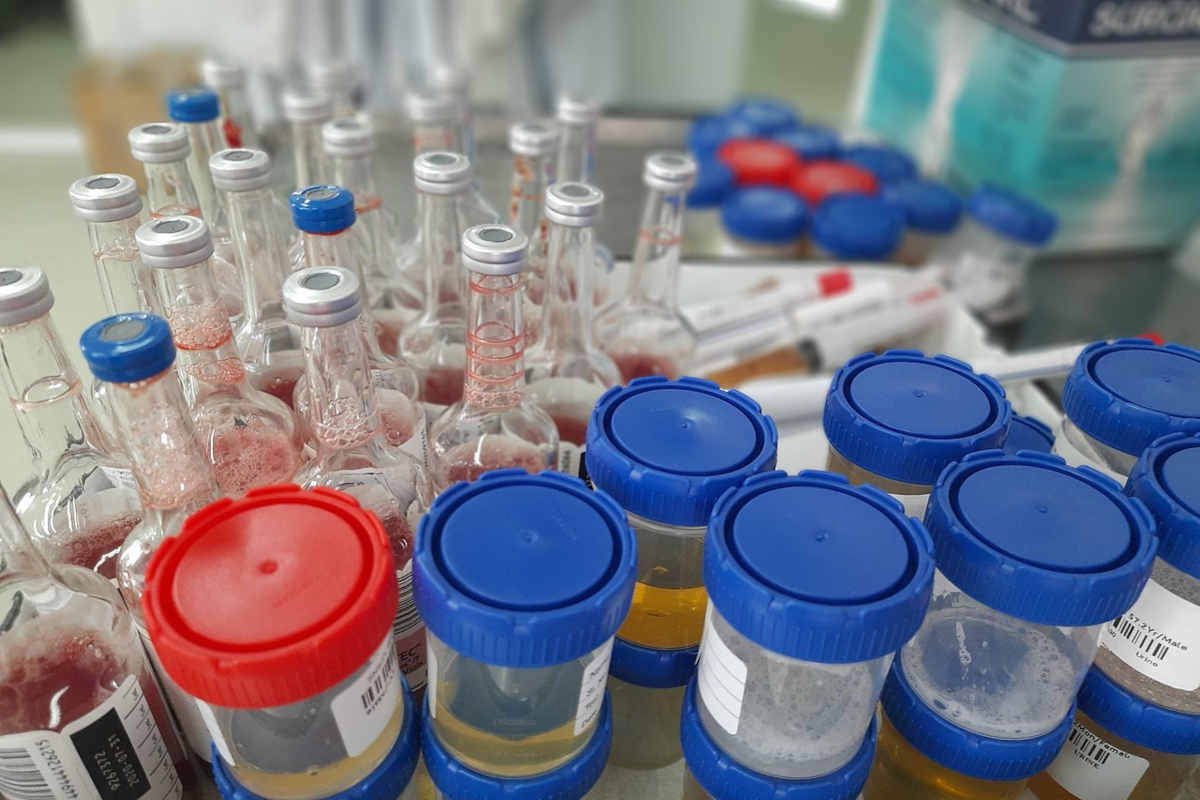
A breakthrough study from the Japan Advanced Institute of Science and Technology (JAIST) reveals that a single dose of the bacterium Ewingella americana, isolated from the Japanese tree frog, can completely eliminate solid tumors. This deep dive explores how this “living drug” targets hypoxic tumor cores and re-educates the immune system to prevent cancer recurrence.

Unveiling the Unseen: A New Era of Transparent Living Organisms

Zihao Ou, the lead researchers behind the transparent mouse discovery

Researchers at Stanford University have developed a groundbreaking method to temporarily make the skin of living mice transparent using a common food dye, tartrazine. This reversible optical clearing allows scientists to observe blood vessels, organs, and cellular processes in real time without invasive procedures.

GPU Depreciation Exposed: A Hidden Threat to AI Economics

Nvidia CEO Jensen Huang

GPU depreciation is a hidden threat in AI economics, quietly impacting profits, investments, and the cost of AI infrastructure. This article explores the debate over depreciation schedules, hardware lifespan, and economic risk, helping investors and companies understand the financial realities behind AI hardware deployment.

Germany’s State-Funded Content Moderation Network: A Closer Look

Germany Brandenburg Gate Berlin

The 2025 liber-net report on Germany’s state-funded content moderation network has renewed debate over how online speech is managed in the country. The report maps more than 330 organizations involved in moderation-related work, ranging from academic departments to non-profits and government agencies.

Interstellar Comet 3I/ATLAS: A Comprehensive Assessment

Interstellar Comet 3I/Atlas

Interstellar comet 3I/ATLAS is reshaping our understanding of objects from beyond the solar system. Recent JWST observations reveal an unusually carbon dioxide-rich coma and signs of long-term cosmic ray processing, offering unprecedented insight into its composition and history.

Steam Just Made Its Game Pages Wider. Here’s Why It Matters

Steam just widened its game pages from 940 to 1,200 pixels, giving more space for screenshots, trailers, and descriptions. The update helps developers showcase games better and makes browsing more immersive for players, reflecting Valve’s push to modernize the platform for high-resolution displays.

The Lost Tape: Unearthing Unix’s Forgotten Fourth Edition

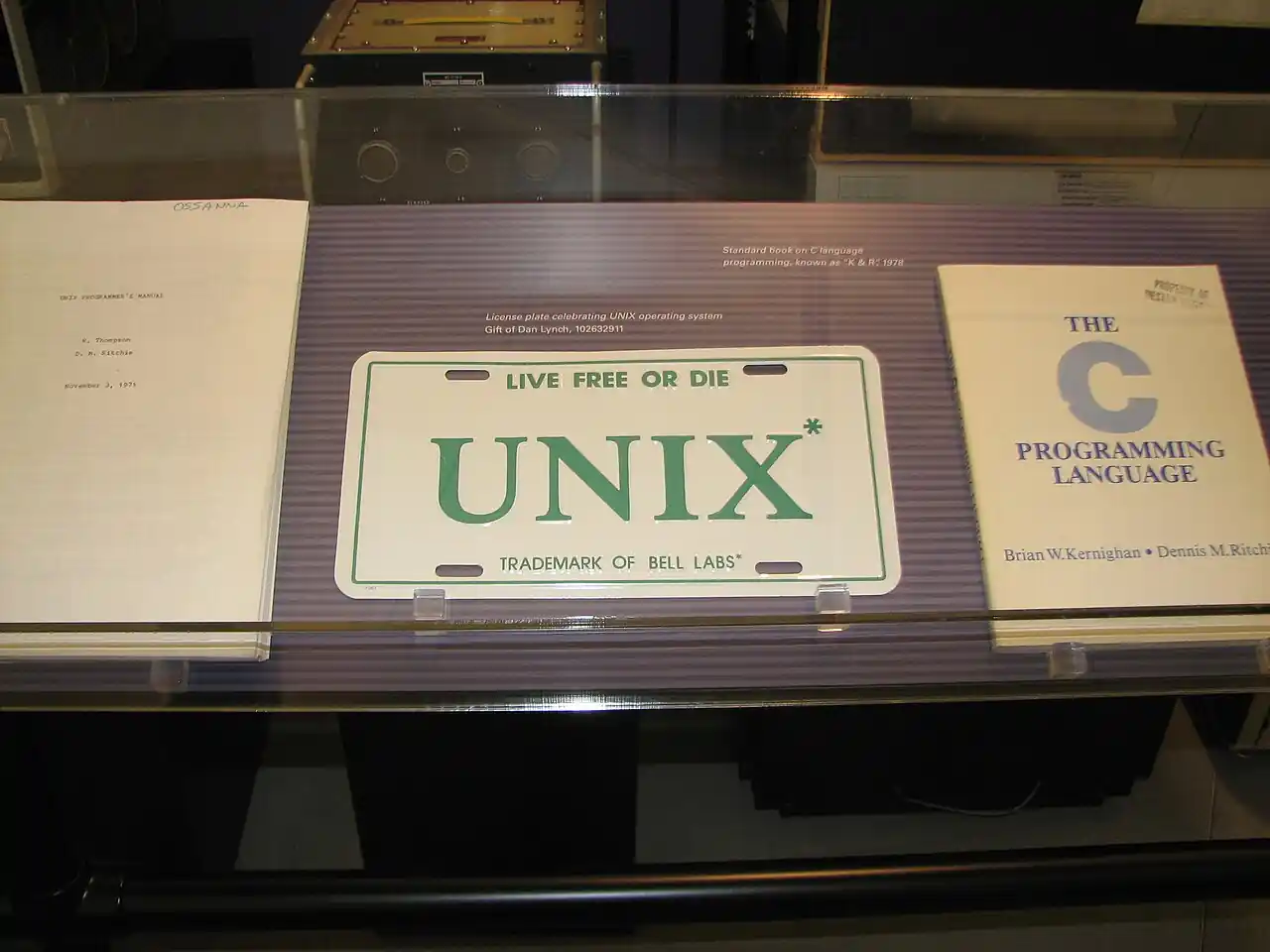
Unix plate. Credit: Erik Pitti from San Diego, CA, USA Original file: https://upload.wikimedia.org/wikipedia/commons/0/0c/UNIX_-_Live_Free_Or_Die_%282586242058%29.jpg

A forgotten reel of magnetic tape at the University of Utah may hold the long-lost Unix Fourth Edition. Written over fifty years ago at Bell Labs, this early version shaped the future of operating systems. Experts now hope to recover its contents, offering a rare glimpse into computing history.