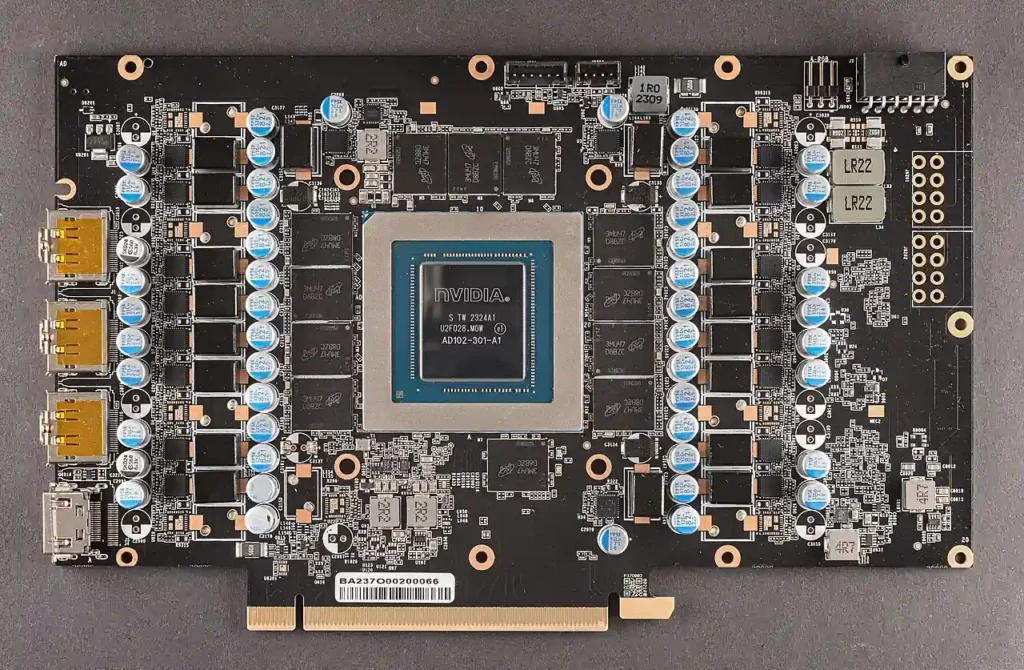
The global shortage of memory chips is reshaping the technology industry, with measurable impacts on device prices, shipment forecasts and hardware cost structures. Memory chips such as DRAM (dynamic random-access memory) have become more expensive and harder to obtain, driven by large increases in demand, constrained supply, and shifts in production priorities.
Memory prices have risen sharply throughout 2025 and are affecting consumer products, personal computers, enterprise servers, and smartphones. This article examines the most recent data on price trends and forecasts and quantifies the effects of the shortage on key hardware categories for 2026.
In several cases, key industry research firms and shipment forecasts have been revised downward or adjusted to reflect the cost pressures imposed by memory scarcity. These revisions present the most reliable quantitative view of how the shortfall is shaping product costs and volumes.
Why Memory Prices Are Rising
Memory prices have climbed far beyond normal seasonal fluctuations. One industry source reported that DRAM contract prices rose by 171.8 percent year-over-year in the third quarter of 2025, making this price surge one of the largest in memory pricing history. The rise in memory costs outpaced even the price of gold in the same period, reflecting strong market pressures rather than speculative investment trends. Memory producers have shifted production toward server-grade memory and high-bandwidth memory used in data centers, leaving less capacity available for consumer segments. This reallocation is one of the primary drivers of the spike in memory prices. The scarcity has also pushed spot prices for consumer DDR5 memory modules higher, with observed increases from around $7 to $13 for 16-gigabyte modules over recent months. The shift in supply has left consumer PC and smartphone manufacturers competing for limited DRAM resources. Memory producers such as Samsung and SK Hynix have reportedly raised server DRAM prices by around 50 percent, while consumer DRAM remains constrained. These changes are not temporary anomalies but are tied to fundamental shifts in industry demand patterns.
Micron, one of the world’s largest memory manufacturers, has stated that tight memory supply conditions are likely to extend beyond 2026, indicating that the market imbalance may be structural rather than cyclical. Micron’s revenue data reflects how memory demand has shifted: in one recent quarter, the company reported DRAM revenue growth of 69 percent year-over-year, while overall revenue reached $13.6 billion. These figures emphasize the economic impact that memory scarcity is having on major producers and their product strategies.
Several industry observers suggest that global memory production capacity will not be meaningfully expanded until at least 2027 or later, because building new fabrication facilities requires significant capital and takes years to complete. This prolonged timeline suggests that the current memory shortage and elevated prices will persist for multiple hardware market cycles.
Memory Price Forecasts and Trends in 2026
Most recent market forecasts indicate that memory prices will continue to rise into 2026. Industry analysts predict that DRAM prices may climb 30 to 50 percent more through the first half of 2026 as supply remains tight and demand from data centers and high-performance computing sectors continues to grow. Some forecasted quarterly price increases of this magnitude reflect an ongoing upcycle that shows no immediate signs of reversal.
A separate analysis from industry research noted that conventional DRAM prices were expected to increase by 8 to 13 percent in the fourth quarter of 2025, and that the inclusion of high-bandwidth memory could drive total memory price increases to 13 to 18 percent for the same period. Price forecasts also depend on what memory segment is considered. In consumer segments, DDR5 and LPDDR memory used in personal computers and mobile devices are among the most affected. Server and enterprise memory is also under pressure, with reports that server DRAM could become up to 50 percent more expensive compared with earlier in 2025.
For illustrative context, one retail example from industry tracking data showed that by late 2025 a typical two-stick 32-gigabyte DDR5 memory kit could cost around $183, up from approximately $91 in mid-2025. A 64-gigabyte kit was noted to be around $500, up from $200 earlier in the year. These sharp increases demonstrate how memory cost inflation translates into real price levels in consumer markets and reflects the broader trend in contract pricing.
Smartphone Market Forecasts and Cost Impacts
Rising memory prices have direct implications for smartphones because DRAM represents a significant portion of smartphone component costs. Market research firms have revised global smartphone shipment forecasts for 2026 in response to these cost pressures.
According to Counterpoint Research, global smartphone shipments are projected to decline by approximately 2.1 percent in 2026 compared with earlier forecasts due to rising memory and chip costs. The entry-level smartphone segment, especially devices priced below $200, faces the largest increase in bill of materials (BoM) costs, estimated at 20 to 30 percent since early 2025 as memory prices escalate. Mid-range and premium smartphones have also experienced BoM increases of 10 to 15 percent. These cost increases have forced mobile manufacturers to reconsider pricing strategies, product specifications and inventory levels.
Average selling prices (ASPs) for smartphones are also being revised higher. Counterpoint’s updated projections estimate a 6.9 percent year-over-year increase in average selling price for smartphones in 2026, compared with earlier estimates of around 3.6 percent. This upward revision reflects the impact of memory pricing increases and other supply chain cost pressures on the overall device cost structure.
Several smartphone makers are adjusting specifications to offset cost increases. In some budget and mid-tier models, companies are reportedly considering reverting to lower memory configurations, such as 4 gigabytes of RAM, which had largely disappeared from mainstream devices in prior years. Brands with strong supply chain leverage and long-term memory contracts, such as Apple and Samsung, are expected to be better positioned to manage cost pressures than smaller competitors.
PC and Laptop Price Effects
Personal computers and laptops are also subject to the effects of rising memory costs. Memory is a key component of modern PC hardware, and increases in DRAM pricing are being passed through in various ways.
Market analysts have noted that PC prices could rise by 20 to 50 percent in 2026 compared with earlier forecasts. These increases stem from a combination of memory price inflation and rising costs for other components such as NAND flash storage, processors, and batteries. Gaming rigs and high-performance PC configurations that depend on greater memory capacities are expected to see some of the largest price increases.
Some PC manufacturers have already communicated planned price adjustments to corporate clients. For example, price increases ranging from 10 to 30 percent on commercial notebooks, desktops and other products were announced by a major OEM, with memory and storage cost inflation cited as primary factors. Specific price increases included $130 to $230 for 32-gigabyte memory configurations and up to $765 for 128-gigabyte upgrades, along with increases for storage and GPU upgrades.
Industry tracking data suggests that DRAM contract pricing in 2025 increased by approximately 171.8 percent compared with the previous year, leading PC makers to revise pricing expectations for 2026. PC shipment growth is also forecast to slow. One research institute predicts that global PC shipments will grow by approximately 0.3 percent in 2026, a marginal increase compared with historical trends, as higher memory costs dampen demand growth.
Server and Network Equipment Cost Impacts
Memory cost increases affect server and enterprise infrastructure more profoundly than consumer segments because memory accounts for a significant portion of total server system costs.
Data center servers, especially those powering artificial intelligence and cloud computing workloads, require large amounts of DRAM and high-bandwidth memory (HBM). Reports indicate that server DRAM prices have increased by approximately 50 percent, with some forecasts suggesting the possibility of doubling by late 2026 as demand for memory continues to climb. Enterprise memory shortages also arise when AI servers require memory capacities many times larger than traditional servers. These increases translate into total system cost rises of approximately 10 to 20 percent for enterprise servers.
Telecommunications and network equipment also face price pressures, though memory represents a smaller share of total costs. Even so, memory cost inflation of 30 to 50 percent can push overall equipment prices up by approximately 5 to 10 percent, affecting network investment decisions and capital expenditure budgets for carriers and infrastructure providers.
Broader Technology Categories
Beyond smartphones, PCs, and servers, memory cost increases are affecting other hardware categories. Gaming consoles, which combine DRAM and graphics memory, may see cost increases of approximately 5 to 10 percent. Connected devices such as tablets, IoT hardware and automotive electronics are also experiencing cost pressures, with some sectors seeing increases of 3 to 7 percent due to memory price inflation.
In automotive systems, memory is increasingly critical for advanced driver assistance and infotainment systems. Although memory represents a smaller percentage of total vehicle electronics costs, rising memory prices still contribute to overall increases in electronic system costs. These pressures are felt in markets where automotive and consumer electronics overlap, such as in electric vehicles and smart connected devices.
Future Outlook and Long-Term Trends
Forecasts from multiple industry sources indicate that memory shortages and elevated prices will likely persist into 2027 and possibly beyond. New memory fabrication facilities are not expected to be operational until at least 2027 or 2028, and even when they are complete, it takes time to ramp up production and supply volumes large enough to impact global memory pricing. The current memory supply environment is expected to remain constrained as long as demand from enterprise computing and AI workloads continues to grow faster than memory production capacity.
Memory manufacturers have shown reluctance to expand capacity too rapidly because of past memory market cycles involving oversupply and price crashes. This caution contributes to the current tight market and slow response in capacity expansion.
The concept of a memory “supercycle” has emerged among industry analysts to describe the sustained period of high prices and tight supply. In a supercycle, demand outpaces supply for an extended period and prices remain elevated with limited relief. The presence of AI-driven demand, combined with slow capacity growth, is expected to maintain memory prices at high levels for several technology product cycles.
Consumers and businesses should expect that memory will remain a significant cost component across technology products. In smartphones, this may mean higher average selling prices and reduced features in some entry-level and mid-range devices. In PCs and enterprise systems, the memory cost pressure will likely shape pricing, configuration options and procurement planning. For cloud providers and data centers, memory cost increases translate directly into higher operating expenses and capital investments.
Conclusion
The memory shortage affecting DRAM and related memory types represents one of the most significant supply chain challenges facing the technology industry in 2025 and 2026. Quantified price increases, shipment declines and cost forecasts demonstrate the breadth and depth of the impact across multiple hardware categories.
Smartphone shipments are projected to slip in 2026, with average selling prices rising by nearly seven percent as memory costs climb. Personal computers and laptops may see price increases of 20 to 50 percent compared with earlier expectations. Enterprise servers and network infrastructure are absorbing memory cost inflation of 10 to 20 percent or more. Even gaming consoles and connected devices are seeing cost increases due to memory price pressures.
Memory scarcity is reshaping technology economics. As long as AI computing remains a dominant driver of memory demand and new manufacturing capacity lags behind that demand, elevated memory prices are likely to persist. This environment will shape technology product pricing, design strategies and market growth for at least the next few years and likely well into 2027.
References
https://www.reuters.com/business/media-telecom/rising-chip-costs-push-global-smartphone-shipments-down-2026-counterpoint-says-2025-12-16/
https://www.tomsguide.com/news/live/ram-price-crisis-updates
https://www.theverge.com/news/848199/ram-shortage-pc-phone-price-increases
https://www.theverge.com/news/847344/micron-ram-memory-shortage-2026-earnings
https://www.tomshardware.com/pc-components/dram/the-ram-pricing-crisis-has-only-just-started-team-group-gm-warns-says-problem-will-get-worse-in-2026-as-dram-and-nand-prices-double-in-one-month
https://www.macrumors.com/2025/12/16/apple-to-weather-dram-price-surge/
https://technave.com/gadget/Global-smartphone-shipments-may-shrink-in-2026-due-to-RAM-shortages-and-rising-costs-45219.html
https://www.alltechnerd.com/global-dram-shortage-deepens-as-ai-demand-strains-supply-chains-consumer-prices-surge/
https://tech.news.am/eng/6455/memory-price-surge-will-hit-pcs-and-laptops-prices-to-rise-2050-in-2026.html
https://www.taipeitimes.com/News/biz/archives/2025/12/19/2003849127
https://www.roic.ai/news/dell-technologies-to-raise-prices-on-commercial-products-starting-december-17-amid-ai-driven-chip-shortages-12-12-2025
https://moderndiplomacy.eu/2025/12/03/global-ai-boom-triggers-new-memory-chip-supply-chain-crisis/