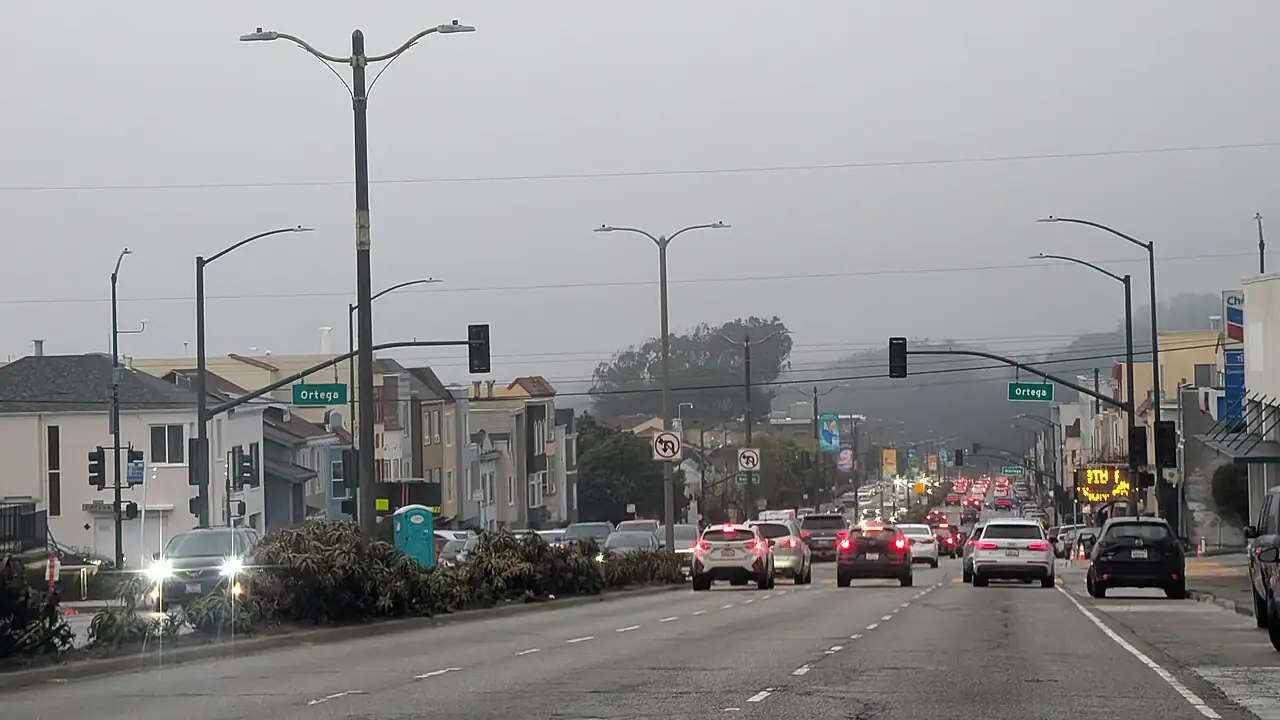
On Saturday, December 20, 2025, a major power outage swept through the city of San Francisco, leaving a large portion of residents and businesses without electricity for many hours. The outage, which began in the late morning and continued into the night, affected tens of thousands of people and disrupted transportation, commerce, holiday activities, and daily life across the city. Local authorities, first responders, utility crews, and residents responded to the event throughout the weekend as electricity was gradually restored.
This article examines the timeline of the outage, the geographic extent, causes and investigations, impacts on infrastructure and services, responses from authorities and the utility, and broader implications for urban infrastructure resilience. It draws on reporting from multiple news organizations, official utility communications, statements from city officials, and publicly available data.
The Outage Begins
The first reports of power loss in San Francisco surfaced on the morning of December 20, 2025, with customers in multiple neighborhoods experiencing electrical interruptions beginning at about 9:40 a.m. According to Pacific Gas and Electric Company, or PG&E, the outage grew in scale throughout the day. Utility outage maps indicated that by early afternoon more than 130,000 customers were without power, representing roughly one third of the utility’s citywide customer base at the time. That figure included both residential and commercial customers spanning many neighborhoods and districts. PG&E described the situation as a large outage requiring significant field response from crews.
Emergency management officials in San Francisco confirmed that portions of the city had seen power lost progressively rather than all at once. Initial reports indicated that neighborhoods in the western and northern corridors of San Francisco were among the first to report interruptions. These included regions such as the Sunset, Richmond, Presidio, and Golden Gate Park areas, all prominent residential and recreational zones within the city. By mid‑afternoon, adjacent precincts and districts including Hayes Valley, Haight‑Ashbury, and parts of downtown also reported outages.
Substation Fire Reported
Midday reports from the San Francisco Fire Department indicated that crews were called to respond to a fire at a power substation located at Eighth and Mission Streets in the South of Market neighborhood. The department’s timeline showed that a fire was reported at approximately 3:15 p.m., and firefighters worked to extinguish the blaze over the course of the afternoon into the early evening. Officials reported that the fire was contained by approximately 6:15 p.m. There were no reported injuries to first responders or the public at the scene.
PG&E acknowledged that the substation was a focal point of restoration efforts and that crews were on site working to stabilize the electrical grid. PG&E stated that the grid had been stabilized and that no additional outages were expected due to the situation by late evening, though definitive causes still needed further analysis.
Local fire and utility officials were cautious in publicly attributing causation solely to the substation fire, noting that detailed investigations would be required to determine the full range of factors that contributed to the outage. Weather conditions, equipment performance data, and substation infrastructure are among the areas experts typically assess after major outages. At the time of reporting, no official determination had been released regarding primary or secondary causes beyond acknowledging the fire as a significant event that coincided with the outage.
Geographic Extent of the Outage
The outage spanned a broad cross section of San Francisco, affecting neighborhoods across various parts of the city. Utility outage information and local reporting show that the following areas were among those with significant loss of power: the Presidio, Seacliff, Outer and Inner Richmond, Golden Gate Park, the Panhandle, Inner and Outer Sunset, Hayes Valley, Haight‑Ashbury, Forest Hill, parts of downtown, and sections of the South of Market district near the substation.
City outage maps and customer reports suggested that the western part of the city experienced some of the most sustained delays in restoration, with the Richmond and Sunset districts showing long durations without power. Neighborhoods in the core downtown areas and eastern parts of the city saw intermittent outages initially but had more rapid restoration in the evening hours as crews worked to reroute electrical service through alternate infrastructure.
By 9:30 p.m. on the day of the outage, the number of customers still without power had dropped to about 40,000, down from the peak of approximately 130,000 earlier in the afternoon. This gradual restoration over many hours reflected the complexity of rebalancing electrical load and ensuring that circuits and transformers could be safely brought back online after significant disruption.
Timeline of Restoration
Utility crews and city emergency officials coordinated restoration efforts through the later evening. PG&E reported that by around 11 p.m. local time, approximately 95,000 customers had their power restored. That left roughly 35,000 customers without service as of late Saturday night, with the company estimating that those remaining outages would be resolved overnight or by early Sunday. City authorities issued guidance advising residents to keep refrigerator and freezer doors closed where possible to preserve cold food supplies and to turn off major appliances and equipment to prevent power surges as circuits came back online.
Officials also reminded the public that traffic lights might remain out or operate on backup power in certain intersections and that drivers should treat dark signals as four‑way stops. The San Francisco Department of Emergency Management emphasized that 911 lines were to be used only for life‑safety emergencies given the volume of calls that can overwhelm emergency dispatch systems during widespread outage events.
By early Sunday morning, local reporting indicated that most of the city had electricity restored and that outages were significantly reduced. Some customers in the outer districts of the city remained without service as crews completed safety inspections and repairs to damaged equipment. City managers and utility representatives continued to monitor the situation and provide updates to community stakeholders as more detailed technical analyses were underway.
Disruptions to Public Services
The power outage caused significant disruptions to transportation systems and public services across San Francisco. The Bay Area Rapid Transit District, known as BART, temporarily closed or bypassed several major stations within the city, including Powell Street and Civic Center, due to the lack of electricity at ticketing gates, escalators, and station systems. Muni, the city’s local bus and metro network, saw interruptions in underground lines and the Central Subway, leading to service adjustments and delays throughout much of the afternoon and evening. Transit agencies deployed shuttle services and reconfigured routes to accommodate riders as power was restored.
Traffic lights throughout the affected areas of the city went dark, leading to increased congestion at major intersections. Police and public safety personnel were dispatched to high‑traffic corridors to manage flow and direct commuters through intersections operating under four‑way stop protocols. The mayor’s office advised residents to avoid nonessential travel and to remain off the roads where possible.
Autonomous vehicle services operating in the city were also affected. Some companies, including those providing driverless ride‑hailing services, temporarily suspended operations in San Francisco due to the outage, citing safety concerns as vehicles encountered darkened intersections and loss of grid power for navigation and signal integration systems.
Impacts on Daily Life and Economy
The timing of the outage came during one of the busiest shopping weekends of the year, with holiday season foot traffic and seasonal events drawing residents and visitors to retail corridors and public spaces. Local businesses reported closures or shortened hours as they coped with lack of power for lighting, heating, point‑of‑sale systems, and refrigeration. Restaurants and cafes in impacted neighborhoods were forced to halt service or operate on candles and battery‑powered lights where possible.
In some community areas, individuals shared accounts of coping creatively with the outage. Videos posted by residents showed families and friends playing music by lantern light or using portable heaters and lamps while waiting for electricity to return. In other locales, residents reported concerns about food spoilage in refrigerators and freezers and problems charging essential devices.
Local media documented the outage’s effects on city landmarks and seasonal decorations. Christmas lights and holiday displays in public squares and shopping districts were dark for much of the day, diminishing the festive atmosphere often associated with this time of year. Stores reported lower foot traffic than expected as people stayed home or left the city to find alternative venues.
Official Responses
San Francisco’s mayor called for calm and cooperation throughout the outage and urged residents to prioritize safety. Public messages emphasized avoiding travel unless necessary, following public safety guidance at intersections, and preparing for potential aftershocks in related utility services. Emergency management teams monitored conditions throughout the evening and coordinated with state and utility officials to ensure resources were available where needed.
PG&E issued official statements acknowledging the scale of the outage, confirming that crews were working on site, and explaining that restoration efforts would continue until all customers were back online. The utility also noted that, as of late Saturday evening, the grid had been stabilized and no further additional outages were expected related to the same event. PG&E emphasized its partnership with first responders and city officials in addressing safety and restoration priorities.
Public safety entities reminded residents to use caution around electrical equipment and to report hazards or downed lines to emergency services. In many areas, emergency lighting and backup generators were deployed to critical facilities such as hospitals, shelters, and public safety stations to ensure continuity of essential services.
Broader Context
Widespread outages in urban settings often prompt broader questions about infrastructure resilience, redundancy, and investment in aging electrical systems. San Francisco’s electrical grid, managed in part by PG&E, has faced scrutiny in past years over reliability and maintenance, as have networks in other major metropolitan areas across the United States. Historical reporting indicates that the same substation involved in this outage was associated with previous utility events, though specific details vary among incidents. Public discourse following major outages typically focuses on updates to infrastructure, grid modernization, and measures to reduce vulnerability to equipment failure, extreme weather, or other contributing factors.
Utility infrastructure across the country operates under complex regulatory environments, including oversight by state commissions, local jurisdictions, and federal safety standards. In California, the California Public Utilities Commission plays a role in setting expectations for grid performance, safety protocols, and reporting requirements. Future reviews of the December 2025 outage may involve analysis by regulators, utility engineers, and emergency management agencies to identify root causes and recommend changes to infrastructure planning and emergency response frameworks.
Community Response
In the wake of the outage, residents shared experiences and reactions across social media platforms and community forums. Many accounts highlighted the unpredictability of the outage’s spread, with some neighborhoods losing power earlier than others and others experiencing intermittent outages or flickering service during restoration efforts. Some residents reported extended power loss into the night, while others saw service return within a few hours. These anecdotal accounts reflected a broad range of outage experiences and contributed to ongoing discussion about infrastructure reliability and utility communication practices during emergencies.
Community coping strategies included sharing resources such as mobile chargers, portable battery packs, and lighting equipment. Neighborhood groups organized information sharing and mutual support for residents dependent on electrically powered medical equipment or heating. Such local efforts demonstrated social resilience even as institutional responses were underway.
Conclusions and Outlook
The power outage of December 20, 2025 in San Francisco represented a significant utility disruption affecting roughly one third of the city’s grid customers at its peak. The event was triggered in conjunction with a fire at a substation, though detailed analysis remains ongoing to clarify the full technical and environmental contributors. Restoration was gradual, with most customers regaining power by late night and final service restored overnight into Sunday.
The outage had immediate impacts on transportation, public services, businesses, and daily life, and prompted safety advisories and emergency management coordination. In the weeks and months following the event, public attention may turn toward infrastructure resilience, system upgrades, and regulatory assessments aimed at preventing or mitigating future large‑scale outages.
References
PG&E Official Statement on the San Francisco Outage:
https://www.pge.com/en/newsroom/currents/safety/pg-e-responding-to-power-outage-in-san-francisco-.html
AP News Coverage of the Outage and Community Impact:
https://apnews.com/article/4e92a586ce4d71865fa9f1f4fd057df3
SFGate Report on Restoration Progress and City Impacts:
https://www.sfgate.com/news/bayarea/article/sf-update-power-to-continue-returning-overnight-21255137.php
SF Chronicle Local Reporting on Customer Outages:
https://www.sfchronicle.com/sf/article/pg-e-outage-40-000-customers-without-power-21254326.php
LiveMint Coverage of Neighborhood Impacts and Traffic Disruptions:
https://www.livemint.com/news/us-news/san-francisco-power-outage-pg-e-customers-areas-traffic-lights-and-all-that-is-affected/amp-11766278847825.html
SF Standard Summary of the Event and Emergency Responses:
https://sfstandard.com/2025/12/20/what-we-know-about-saturdays-sf-power-outage/
Local News on Transit Impacts and Muni/BART Service Disruptions:
https://www.latimes.com/california/story/2025-12-20/san-francisco-power-outage-bart-muni