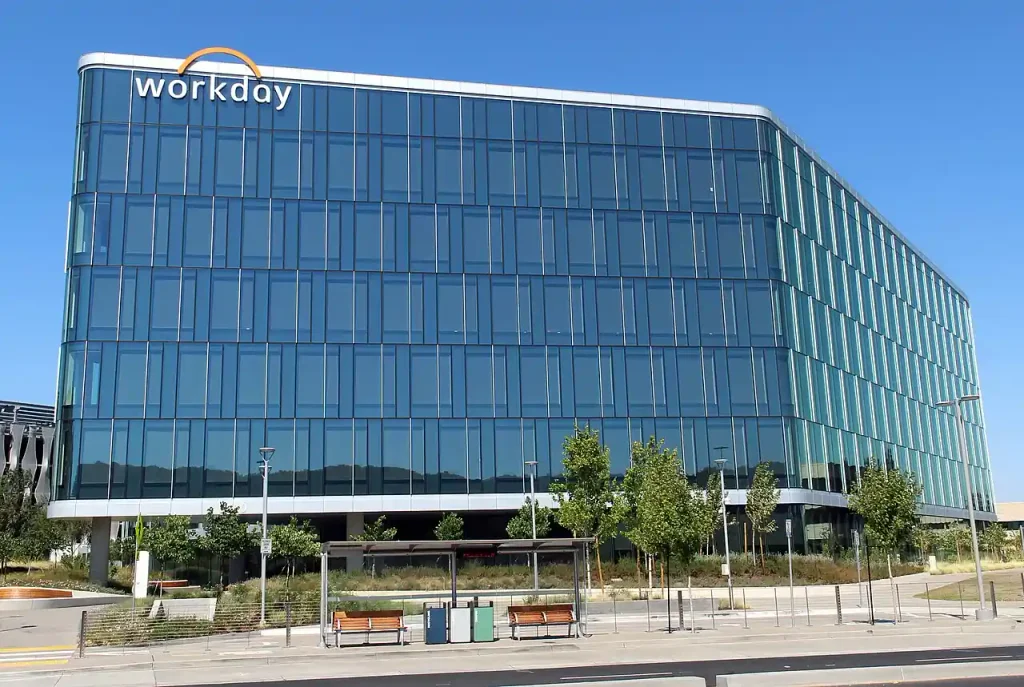
The Corporate Filing and Strategic Shift
On September 29, 2026, enterprise software giant Workday, Inc. submitted a Form 8-K filing with the U.S. Securities and Exchange Commission (SEC) disclosing a plan to eliminate approximately 2.5% of its global workforce.The corporate reduction, which impacts roughly 525 positions, is primarily concentrated within the company’s Product and Technology organization.
According to the regulatory disclosure, Workday expects to incur total pre-tax restructuring charges between $65 million and $85 million, predominantly consisting of employee severance, transition benefits, and approximately $15 million in non-cash charges related to office space impairments. The company indicated that the majority of these financial charges will be recognized in the third quarter of its fiscal year ending October 31, 2026.
The announcement represents the latest structural realignments undertaken by the corporate Human Resources and Financial Management platform provider over the past 20 months. In early February 2026, Workday executed a 2% workforce reduction that affected its Global Customer Operations group, which was followed shortly after by executive leadership transitions. However, market reports from financial intelligence providers such as Seeking Alpha and BigGo Finance note that despite recurring targeted trims, Workday’s total overall headcount registered a 3% net increase across fiscal 2026. The broader trajectory signals a systematic capital re-allocation toward artificial intelligence priorities rather than an operational downscaling.
Capital Realignment and Enterprise AI Objectives
The restructuring comes as enterprise software vendors face evolving demands from corporate clients seeking integrated automation tools. Workday’s filing outlines a strategic initiative to channel resources directly into its next-generation product roadmap, notably autonomous agentic workflows and machine-learning intelligence layers.
Industry market analyses published following the SEC disclosure highlight the operational transition underway across major software-as-a-service (SaaS) providers. For over two decades, enterprise resource planning platforms generated revenue models tied to per-employee user licensing fees. As corporations explore artificial intelligence to handle routine administrative tasks across payroll, talent acquisition, and financial reporting, vendor models are shifting toward monetizing task-level automation and specialized agentic capabilities.
This technical pivot was showcased at the company’s annual Workday Rising conference on October 13, 2026, in Las Vegas. During the event, Workday introduced its “Work Intelligence” architecture alongside new “Autopilot Agents” designed to operate across HR, finance, and IT functions. Company executive statements emphasized that the platform extensions aim to decompose traditional job roles into granular tasks, allowing enterprise clients to measure task-level productivity and skill requirements as automated agents are integrated into daily operations.
Industry Context and Macroeconomic Factors
Workday’s internal realignments reflect a broader pattern across the global technology sector throughout 2026. Major enterprise peers, including Oracle and Microsoft, have similarly engaged in targeted payroll realignments while increasing capital expenditures in cloud infrastructure and specialized AI engineering.
However, market analysts advise measured expectations regarding the speed of adoption for autonomous back-office systems. Equity research from financial institutions like Morgan Stanley has noted that corporate adoption of automated HR and financial tools among enterprise clients tends to move more conservatively than investor sentiment often anticipates, citing regulatory compliance, data privacy considerations, and integration complexities within legacy systems.
Simultaneously, broader labor market data released in the 2026 Workday Global Workforce Report in early October 2026 suggests that while corporate demand for basic generative AI prompting skills dropped 25% between January and July 2026, employer demand for technical hands-on roles—such as workflow automation building and AI architecture development—climbed 51% over the same period. This shift underlines the rationale behind Workday’s internal organizational adjustment, as the company trades off routine operational roles to assemble specialized talent capable of building complex autonomous agent frameworks.
In addition to technology investments, the restructuring filing occurred amid ongoing financial market speculation regarding corporate capital structures. Sector reports in late September referenced preliminary discussions involving private equity firm Silver Lake exploring potential private-equity transactions within the software space, underscoring broader institutional scrutiny on enterprise software valuations and operational margins.
Looking Ahead
As Workday prepares to report its complete third-quarter financial results on November 27, 2026, institutional investors and market observers will be monitoring how the software vendor balances traditional subscription revenue with new value-based AI pricing strategies. The realignment of 525 roles within the Product and Technology organization highlights the ongoing corporate challenge of re-engineering established software platforms for an era increasingly defined by machine intelligence and automated workflows.
References
Workday, Inc. Form 8-K Current Report, U.S. Securities and Exchange Commission (Filed September 29, 2026)
Workday to Cut 2.5% of Workforce, Affecting About 525 Employees, American Bazaar (Published September 30, 2026)
Workday Cuts Roughly 525 Jobs, Targeting Product and Technology Teams, BigGo Finance / Seeking Alpha (Published October 1, 2026)
Workday Global Workforce Report: AI Is Rewriting Jobs More Than It’s Cutting Them, PR Newswire (Published October 5, 2026)
Workday Product Announcements at Rising 2026, Workday Official Blog (Published October 13, 2026)
Workday Introduces Work Intelligence to Help Customers Design Work for AI, Workday Investor Relations Press Release (Published October 13, 2026)